
The Iperammortamento 2026 is a measure reintroduced by Legge 30 dicembre 2025 n. 199 (Legge di Bilancio 2026) that allows business income taxpayers to fiscally increase the value of “4.0” material and immaterial capital assets for income‑tax purposes (such as IRES at 24% or IRPEF) without affecting the company’s actual financial statements.
In practice, if a company purchases an asset worth €100,000, it may declare it for tax purposes as if it had cost much more (with an increase of up to 180%, meaning a total fiscal value of €280,000). This allows the taxpayer to deduct taxes on a higher amount, saving taxes equal to the increase multiplied by the applicable tax rate.
The extra‑accounting increase is therefore purely a fiscal adjustment. It does not affect the balance‑sheet value nor IRAP, but is recorded as a “decrease adjustment” in the income‑tax return.
It is a benefit spread over time (typically 5–7 years, depending on the asset) and is cumulative with other incentives, within the allowed limits and without exceeding the actual cost incurred. Moreover, the tax base on which the increase is applied must be calculated net of contributions/credits/subsidies related to the same costs.
The percentages vary by investment bracket:
- 180% up to €2.5 million (theoretical total savings ~43.2% assuming IRES 24%)
- 100% from €2.5 million to €10 million (theoretical total savings ~24% with IRES 24%)
- 50% from €10 million to €20 million (theoretical total savings ~12% with IRES 24%)
Based on these brackets, a €100,000 machine that falls into the first tier benefits from a 180% increase, being valued at €280,000 for tax purposes.
This generates a theoretical total IRES saving of €43,200 (€180,000 × 24%), equal to 43.2% of the invested amount, which the company will recover through higher depreciation quotas over the asset’s useful life—provided it has sufficient taxable income over time. The benefit is distributed over the depreciation years.
The higher tiers reduce the multiplier to balance more substantial investments.

How the Iperammortamento 2026 Works
As mentioned earlier, the Iperammortamento 2026 works by fiscally inflating the value of newly purchased capital assets, applying progressive increases based on the total investment made during the tax period.
If your company invests a total of €3 million, the first €2.5 million benefit from a 180% increase (fiscal value 280%), while the remaining €500,000 benefit from a 100% increase (fiscal value 200%).
This results in extra deductions that reduce the IRES/IRPEF taxable base.
This “extra” is deducted over the 5 or more years of the asset’s useful life through higher depreciation quotas in income‑tax returns, as an extra‑accounting decreasing adjustment, without affecting statutory financial statements or IRAP.
To avoid losing access to the applicable rates, timing is crucial.
The regulation states that the relevant date is when the asset is delivered or shipped, or—where applicable—when ownership is transferred under Art. 109 of the TUIR. This is the moment that determines whether the investment falls within the incentive window from 1 January 2026 to 30 September 2028.
Unlike previous 4.0 tax credits, the Iperammortamento does not include, for the purpose of determining the date of investment, any “reservation” mechanism based on:
- order accepted by the supplier;
- 20% advance payment made by year‑end.
These elements alone do not grant access to the incentive if the investment is not actually completed within the eligible period; procedural requirements (e.g., communications) under the implementing rules still apply.
For the GSE procedure, additional requirements or communications may be set (according to the methods/timelines established by the implementing decree), but these do not affect the investment date nor the applicable rate.
Another key element for understanding how the Iperammortamento works is its compatibility with other incentives.
This incentive can indeed be combined with others, such as SIMEST contributions, regional grants, the Nuova Sabatini, and the Credito d’Imposta ZES Unica (for companies investing in the Mezzogiorno). However, the total amount obtained from all incentives must not exceed the actual cost of the asset nor duplicate the same cost items.
The relationship between these different opportunities is clarified in the following table.
| Incentive | Characteristics | Compatibility with Iperammortamento | Notes |
| Nuova Sabatini | Investment grant (interest‑rate reduction) | Yes, 100% cumulative | The Sabatini contribution is added to the Iperammortamento tax saving. |
| ZES Unica | Tax credit (F24 offset) | Yes, with netting | The Iperammortamento is calculated on the asset cost net of the ZES credit received. |
| SIMEST | Subsidized financing / Non‑repayable grant | Yes, cumulative | Verify “de minimis” limits or State Aid ceilings. |
| Regional grants | Non‑repayable contributions / Vouchers | Depends | Check whether the specific call for proposals prohibits cumulation. |
What Is Included in the Iperammortamento 2026
The material and immaterial assets eligible for the fiscal increase are those listed in Annexes IV (material assets) and V (immaterial assets) attached to the Legge di Bilancio 2026.
Before examining the types of assets covered by the Iperammortamento, let’s take a brief look at the mandatory requirements.
Regardless of the category, the assets must be:
- New (used assets are excluded, while regenerated assets are subject to strict criteria).
- Manufactured in the EU/EEA (as required by the law); compliance can be demonstrated through appropriate documentation (e.g., supplier declaration and/or certificate of origin, if available).
- Interconnected with the company’s management system (ERP, MES, SCADA) via standard protocols (OPC-UA, MQTT), monitoring technical parameters (e.g., speed, temperature, energy, vibrations) for predictive maintenance or remote control.
- Compliant with D.Lgs. 81/08 on workplace safety and relevant technical standards.
- Intended for production facilities located in Italy, excluding administrative offices or non-operational warehouses. “Static” warehouses (simple shelving structures) are not eligible for the Iperammortamento, whereas automated warehouses (true interconnected systems) are among the most incentivized assets.
To ensure full access to the fiscal increase and correctly manage the required filings and possible communications (including those via GSE, according to the methods/timelines defined by the implementing rules), companies must produce specific technical documentation proving compliance with all legal requirements listed above.
Depending on the size of the investment, the required documentation may vary:
- Manufacturer’s or legal representative’s declaration: for investments below the threshold (to be confirmed based on implementing rules; historically often €300,000 in previous 4.0 measures), a declaration by the legal representative may be sufficient. It is strongly recommended to attach a technical datasheet from the manufacturer certifying compliance with 4.0 requirements.
- Sworn or certified technical appraisal: for investments above the threshold (to be confirmed), a technical appraisal issued by an engineer or industrial expert registered with their professional bodies may be required. The expert must prepare an analysis demonstrating interconnection and monitoring of the required parameters.
Regardless of the investment threshold, the company should keep a documentation file including:
- technical manual and CE certifications;
- IoT wiring diagrams and interconnection documentation;
- documentation proving EU/EEA manufacturing;
- interconnection and monitoring logs;
- any copies of required communications/filings (e.g., GSE), if applicable.
On purchase invoices and delivery notes, it is recommended to explicitly reference the law:
“Bene agevolabile ai sensi della Legge 199/2025 (Legge di Bilancio 2026)”.
With the mandatory requirements clarified, we can now explore the categories of assets covered by the Iperammortamento.
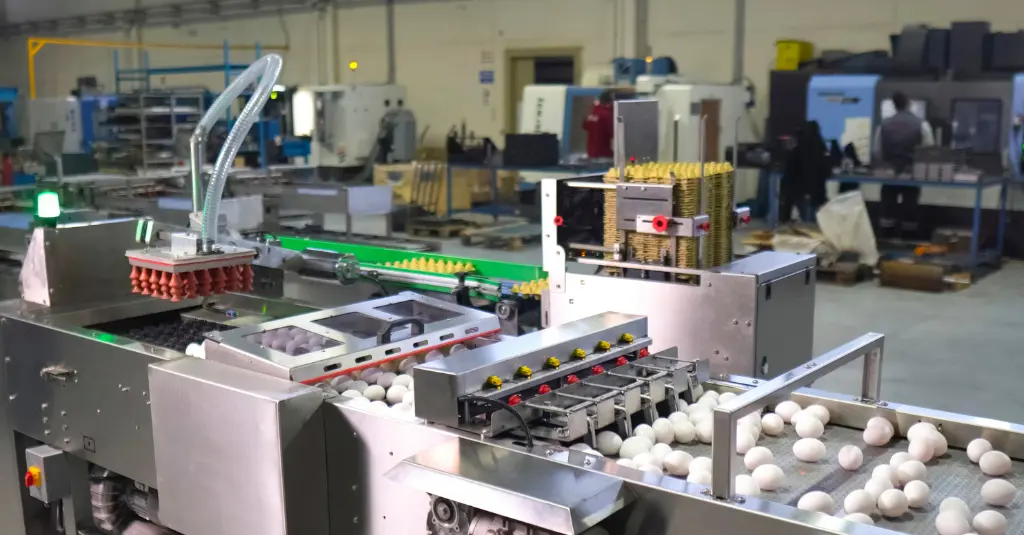
Which Industrial Machinery Is Covered?
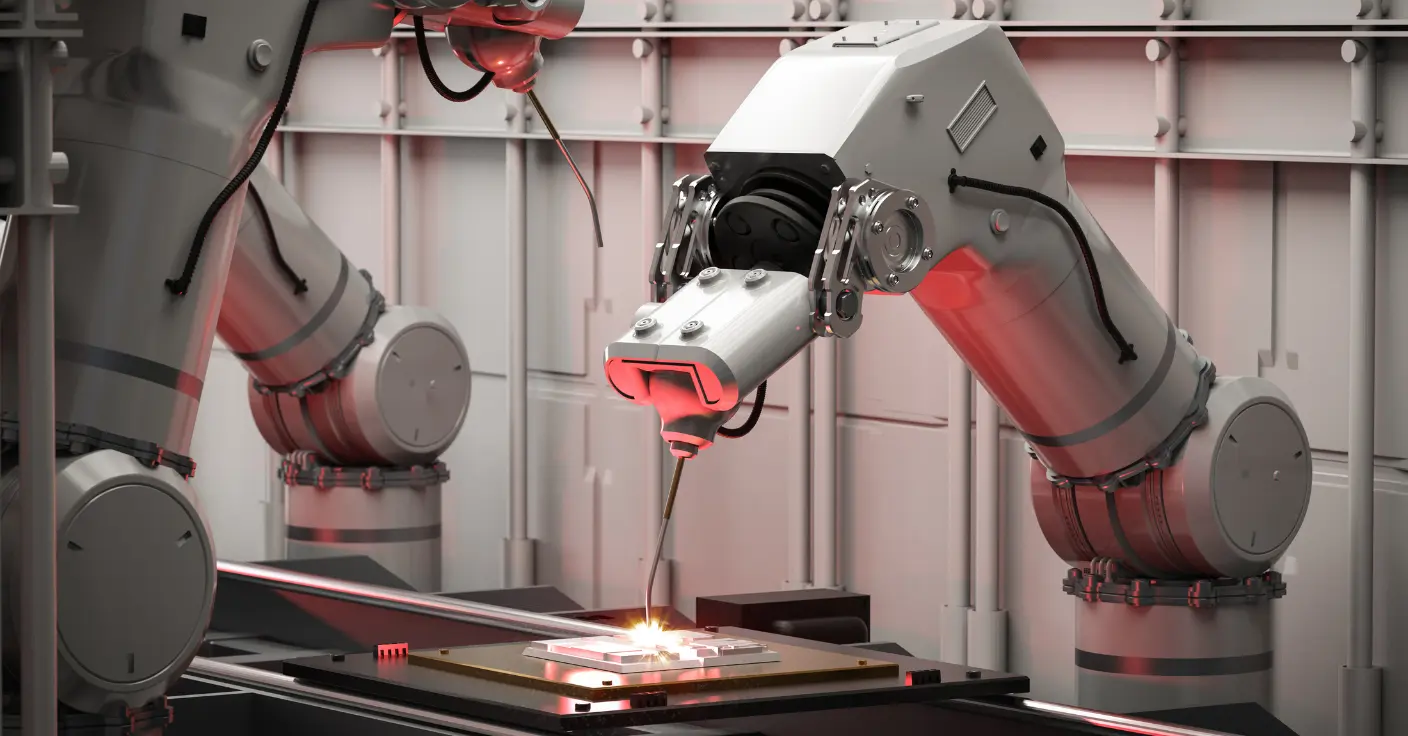
The Iperammortamento supports investments in intelligent and interconnected machinery that enable digital transformation according to the paradigm of Industry 4.0.
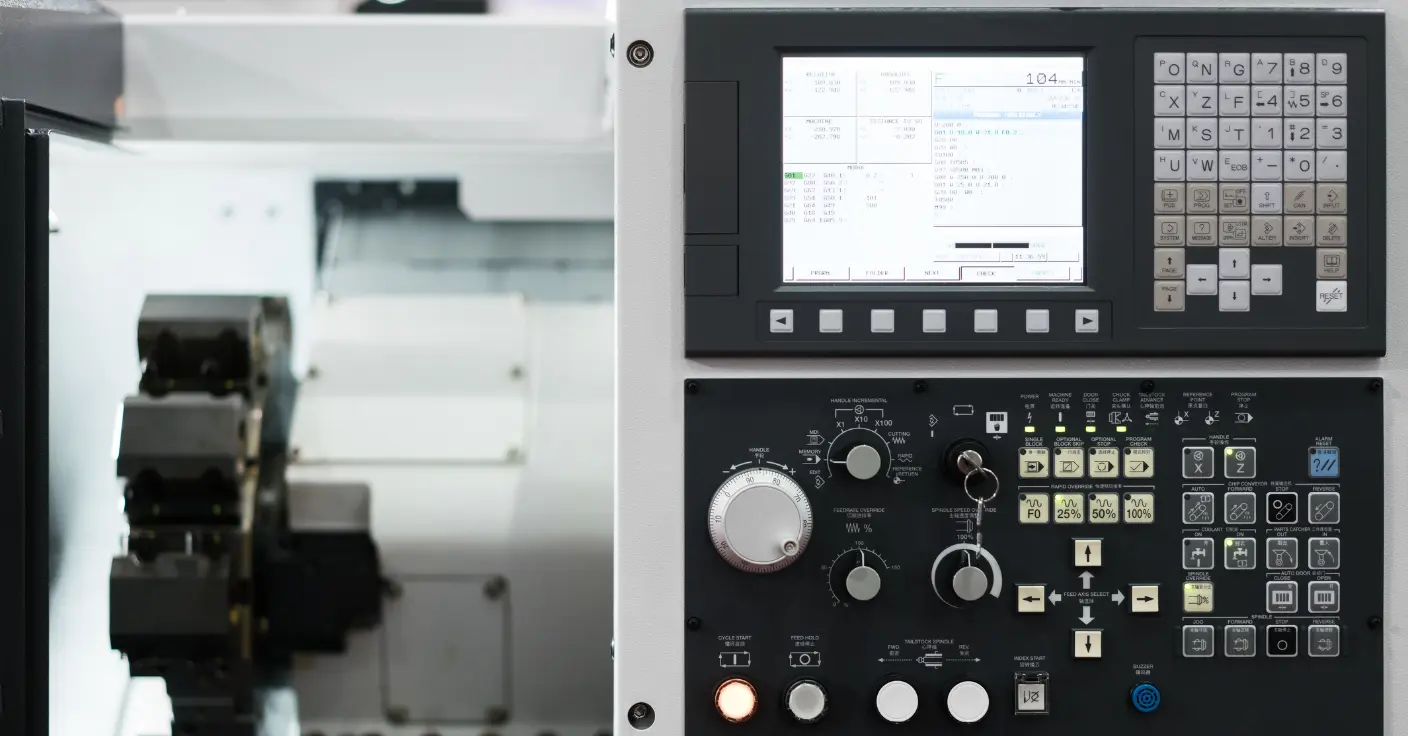
Eligible assets include production equipment equipped with computer-controlled systems, sensors, the ability to integrate with company information systems, and continuous (including remote) process-monitoring functionalities.
To clarify, here is a summary of the main categories of machinery included under the regulation.
| Category of Industrial Machinery | Types of Eligible Machinery |
| 4.0 production machinery and plants |
Machine tools for material removal, laser, plasma, waterjet, EDM, and electrochemical processes. Machines for material transformation, plastic deformation, assembly, and welding. Packaging and wrapping machines. Machines for de-manufacturing and material recovery. Robots, cobots, and multi-robot systems. Machines for surface treatment and functionalization. Additive manufacturing systems. AGVs and automated handling systems. Tools and devices for loading/unloading, weighing, and automatic sorting. Interconnected automated warehouses. Smart mechatronic components for sensing and control. |
| Systems for quality and process control |
Advanced measurement and metrology systems (CMM, tomography, multi-sensor). In‑process monitoring systems. Material testing machines and non-destructive testing systems. Devices for metal powder testing and additive-process monitoring. Marking and traceability systems (RFID, coding). Vision systems and AI-based defect detection. |
| Human–machine interface and operational safety devices |
Adaptive ergonomic workstations. Robotic systems for lifting and handling heavy loads. Exoskeletons and ergonomic assistive devices. Wearables and operator–machine communication systems. AR/VR/MR/XR devices. Smart HMIs for safety, maintenance, and logistics. |
Which Technological Systems Are Included?
Beyond production machinery, the Iperammortamento also supports systems that enable the digital transformation of industrial processes. These include infrastructures that ensure connectivity, data processing, OT/IT security, environmental condition control, and operational continuity.
These systems do not directly produce goods but form the technological backbone that allows 4.0 machines to be interconnected and integrated with the company’s information systems.
Below is a summary of the main categories of eligible technological systems.
| Category of Technological Systems | Types of Eligible Systems |
| Environmental and process support systems |
Smart HVAC systems for temperature, humidity, and air‑quality control. Ventilation, dehumidification, and air/water/oil treatment systems with integrated diagnostics. Filtration and treatment systems with anomaly reporting and integration with factory systems. |
| Computing and data‑management infrastructure |
HPC infrastructures for simulation and AI. GPU servers and hardware‑acceleration systems. Industrial edge computing. Workstations and appliances for machine learning. Enterprise storage systems for big data, data lakes, and industrial datasets. |
| Industrial connectivity infrastructure |
Private 5G networks (NPN). WiFi 6/6E/7 infrastructures. PTP/TSN time‑synchronization systems. Industrial switches, routers, and gateways (OPC UA, MQTT, Modbus). Fiber‑optic backbone. MEC platforms for low‑latency edge services. |
| OT/IT security infrastructure |
Industrial firewalls and OT IDS/IPS systems. Hardware systems for industrial endpoint protection. Solutions for encryption and machine‑to‑machine identity management. Backup, disaster‑recovery, and business‑continuity systems. |
| Systems for smart energy management |
Systems for monitoring energy and water consumption. Solutions for emission reduction and energy optimization. Energy dashboarding and power‑quality monitoring. Integration with FER plants and energy‑storage systems. |
How the Iperammortamento 2026 Is Calculated
Let’s return to the concept we started from.
The Iperammortamento is not a “discount on the invoice”; it is a fiscal increase of the asset’s cost that raises the amount of deductible depreciation and therefore reduces IRES/IRPEF over time. For tax purposes, the asset is treated as having a higher cost than what was actually paid.
The mechanism works as follows:
- Start from the asset’s purchase cost
- Apply the increase percentage established by the regulation
- Obtain the fiscally recognized cost
- Calculate the annual depreciation quota using the fiscal coefficient applied to the increased cost
Here is an example:
- Consider a first‑tier asset costing €100,000
- The applicable increase percentage is 180%
- The fiscally recognized cost is: €100,000 + (€100,000 × 180%) = €280,000
- Assuming a fiscal coefficient of 20%, the annual depreciation quota would be €56,000
Without the incentive, depreciation would be €100,000 × 20% = €20,000.
We can therefore see that, thanks to the Iperammortamento, the additional deductible amount per year is €36,000.
The calculation base for the Iperammortamento must always be taken net of contributions, tax credits, or other subsidies related to the same costs.
This principle applies to all forms of cumulation: the incentive may be combined with others, but the fiscal increase must be calculated only on the portion of cost actually borne by the company.
The actual saving ultimately depends on the company’s IRES/IRPEF rate.
In determining the applicable rate, both the type of asset and the investment tier come into play.
To qualify as a first‑tier asset and access the 180% increase, the asset must:
- fall within the material/immaterial 4.0 assets listed in Annexes IV and V of the Legge di Bilancio 2026 (based on its nature);
- meet the mandatory technological requirements established by the 4.0 regulation (e.g., control via CNC or PLC; interconnection with company information systems; automated integration with the logistics system or other machines; advanced human–machine interface; compliance with safety standards).
In addition, the asset may require—depending on the case and on its classification in the Annex—additional functionalities such as tele‑maintenance/tele‑diagnostics, continuous monitoring, and integration with cyber‑physical systems.
Verification must be carried out on the individual asset and its actual interconnection.
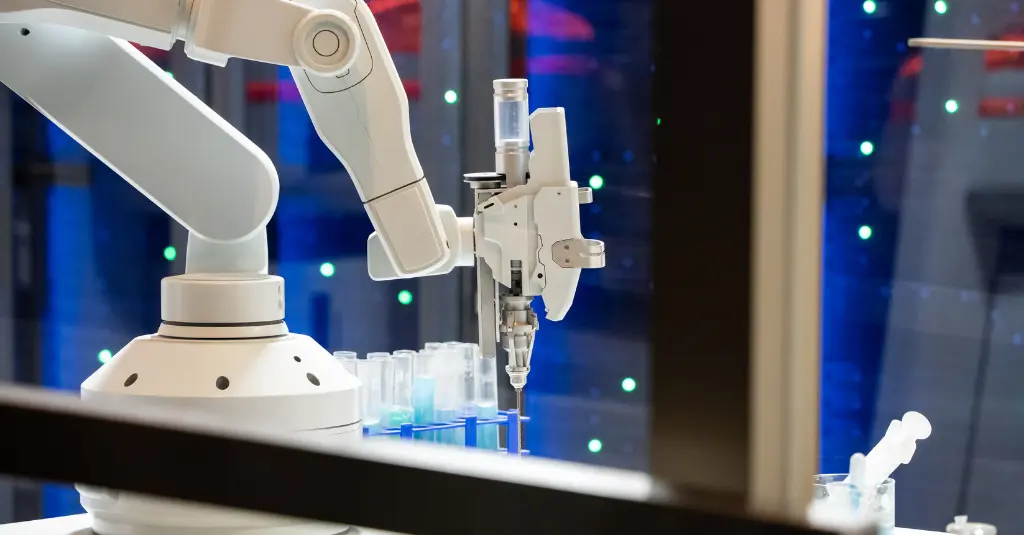
How to Request the Iperammortamento 2026
As we have seen, the measure can be highly advantageous, but inspections are strict. To avoid losing this investment opportunity, it is essential to correctly follow every step of the procedure, from choosing the eligible asset to preparing the final documentation.
We have prepared a complete checklist that you can use as a reference when applying for the incentive, avoiding the most common mistakes.
1. Verify that you fall within the eligible categories
The Iperammortamento is reserved exclusively for business income taxpayers, regardless of legal form, sector, or size.
Eligible subjects include:
- sole proprietorships;
- partnerships and corporations;
- cooperatives;
- commercial entities;
- permanent establishments of non‑resident entities.
Excluded subjects include:
- professionals and self‑employed workers;
- taxpayers under the “regime forfettario” (as they generally do not deduct depreciation analytically);
- agricultural enterprises taxed under cadastral income.
2. Verify that the asset is eligible
The asset must:
- be new and manufactured in the EU/EEA;
- fall within Annexes IV and V of the Legge di Bilancio 2026 (4.0 material/immaterial assets);
- be interconnected to company systems (ERP, MES, SCADA);
- meet the 4.0 technological requirements (CNC/PLC, logistics integration, advanced HMI, safety);
- be intended for a production facility located in Italy.
For energy assets (FER plants, storage, energy‑monitoring systems), the regulation includes assets used for the self‑production of renewable energy for self‑consumption (including storage); for specific types (e.g., photovoltaic systems), additional requirements or limitations may apply.
3. Carry out the investment within the period established by the regulation
The date that determines access to the Iperammortamento is exclusively:
- the delivery or shipment of the asset, or
- the transfer of ownership pursuant to Art. 109 TUIR.
The eligible period is: 1 January 2026 – 30 September 2028.
Orders and down payments do not “reserve” the incentive for the purpose of determining the investment date; however, they may be relevant for procedural/administrative obligations to be defined by the implementing rules.
4. Check access to the 4.0/5.0 tax credit
Investments that have already accrued entitlement to the “credito d’imposta beni strumentali 4.0”:
- reserved by 31/12/2025 with a 20% down payment
- and delivered by 30/06/2026
generally cannot also apply the Iperammortamento on the same investment, due to the coordination/incompatibility rules established by the Legge di Bilancio 2026.
You cannot “switch” between regimes: the same investment cannot benefit from both incompatible incentives; it must be placed under the correct applicable regime.
5. Manage the mandatory communications to the GSE
The procedure will be defined by the implementing decree (methods, content, deadlines for communications/obligations, also via the GSE platform).
6. Prepare the technical documentation
The documentation varies according to the cost of the asset.
For assets up to a threshold to be defined (historically often €300,000):
- declaration by the legal representative (according to implementing rules);
- technical datasheet from the manufacturer.
For assets above the threshold:
- sworn or certified technical appraisal, where required;
- verification of 4.0 requirements and interconnection.
Always required documents:
- technical manual and CE certifications;
- IoT connection diagrams;
- invoices and delivery notes including the recommended wording: “Bene agevolabile ai sensi della Legge 199/2025 (Legge di Bilancio 2026)”;
- any communications/obligations carried out (e.g., GSE), if required;
- interconnection and monitoring logs;
- documentation proving EU/EEA manufacturing.
7. Apply the increase in the income‑tax return
Once the following steps are completed:
- the asset is operational
- the asset is interconnected
- all documentation is complete
The increase applies for the useful life of the asset according to fiscal coefficients. In case of sale or transfer of the asset before complete use, the rule provides a specific discipline (including substitution), to be assessed case by case.

Where to Find Specialized Tax Consultants and Why to Rely on Robogea
Since the procedure for accessing the incentives provided by the Iperammortamento is not straightforward, you may decide to rely on external consultants. Several professionals can offer specialized support, including:
- Accountants with experience in incentives for productive investments and 4.0 regulations;
- Consulting firms specializing in facilitated finance, which support companies with compliance procedures and verification of cumulation with other incentives;
- Industry associations, which often offer guidance services and support in managing the required documentation.
Alongside tax consultants, it is advisable to involve technical partners who can guarantee the eligibility of the purchased assets. Alternatively, you can rely on professionals capable of managing the entire technical and documentation process.
Robogea is a provider of complete solutions for industrial automation and digital transformation according to the Industry 4.0 principles.
This means that, in addition to designing and integrating advanced systems including machinery, plants, industrial software, IoT platforms, and interconnection infrastructures, we can accompany the client throughout the entire process required to access the Iperammortamento.
Specifically, our team can:
- analyze internal processes and identify the solution best aligned with your innovation goals;
- design and supply systems compliant with 4.0 requirements and the technical specifications mandated by the regulation;
- support the company in preparing documentation such as datasheets, interconnection logs, IoT diagrams, and technical certifications;
- ensure that interconnection and parameter monitoring are correctly implemented, avoiding the risk of disputes or revocations.
Thanks to these capabilities, we act as a single partner for companies wishing to innovate their production processes by fully leveraging the opportunities offered by the Iperammortamento 2026.